Operations
From seedling to sealed consignment
Cultivation is a sequence of unglamorous decisions made on time. This is the sequence we follow, and the records we keep while doing it.
01
Genetics and propagation
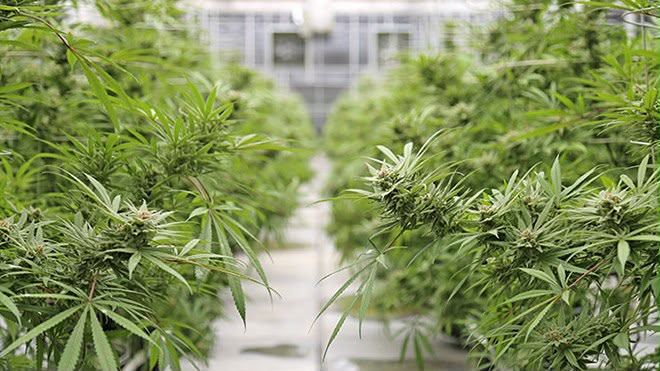
We work with a limited set of cultivars selected for how they behave in Malawian conditions rather than how they read on a menu. Mother plants are kept under supervision and propagation is done in-house so every block has a known origin.
02
Growing environments
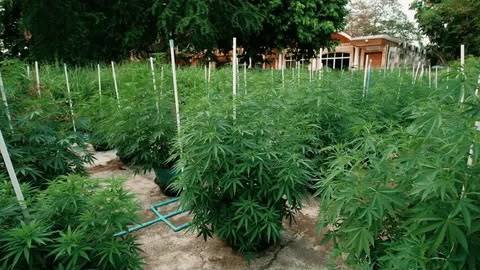
Cultivation runs across open field blocks and protected greenhouse structures. Sunlight drives the crop; the structures give us control over rainfall, wind and pest pressure during the more delicate stages.
03
Irrigation and nutrition
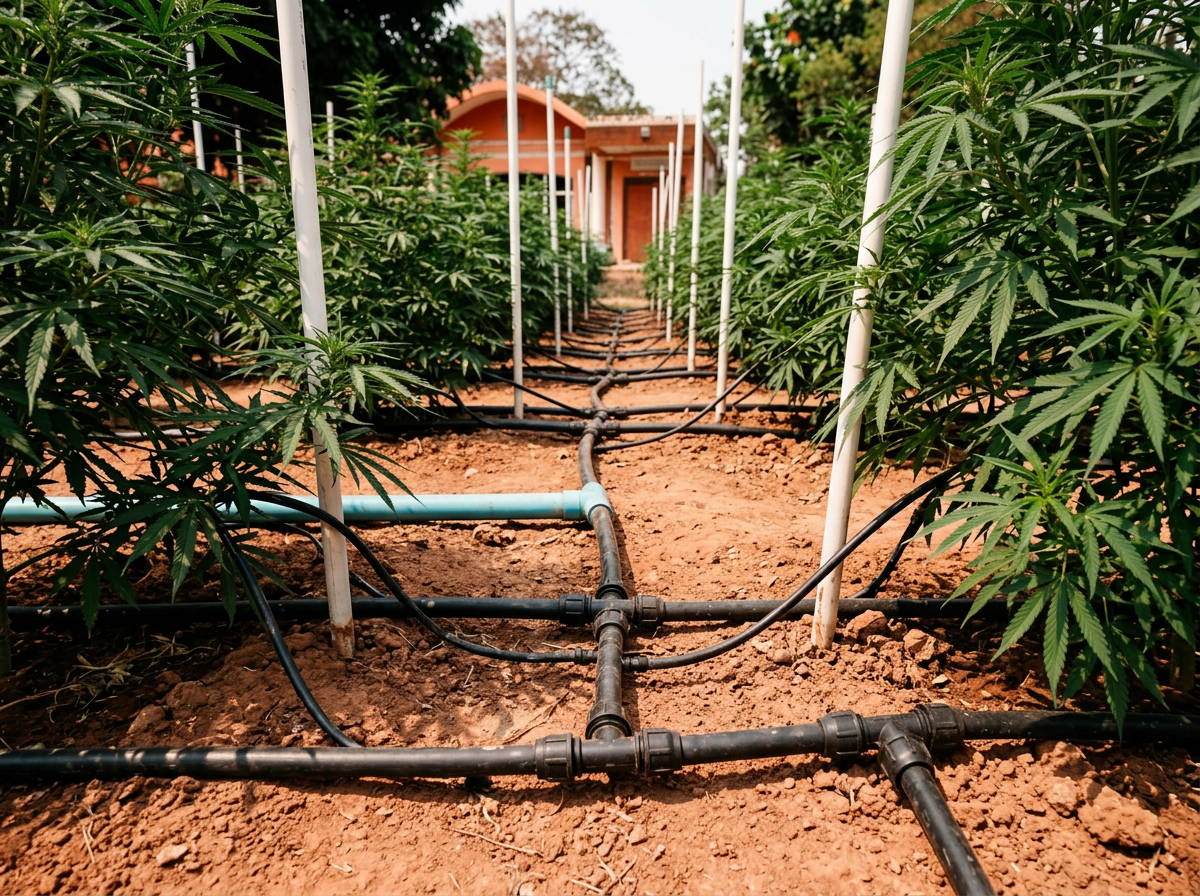
Drip irrigation is scheduled against soil moisture and crop stage, not habit. Feeding is measured, recorded and kept conservative, with soil and water tested through the season.
04
Crop monitoring
Blocks are walked daily. Growth stage, pest and disease pressure and any intervention are logged per block, which is what later allows a batch to be reconstructed on paper.
05
Harvesting
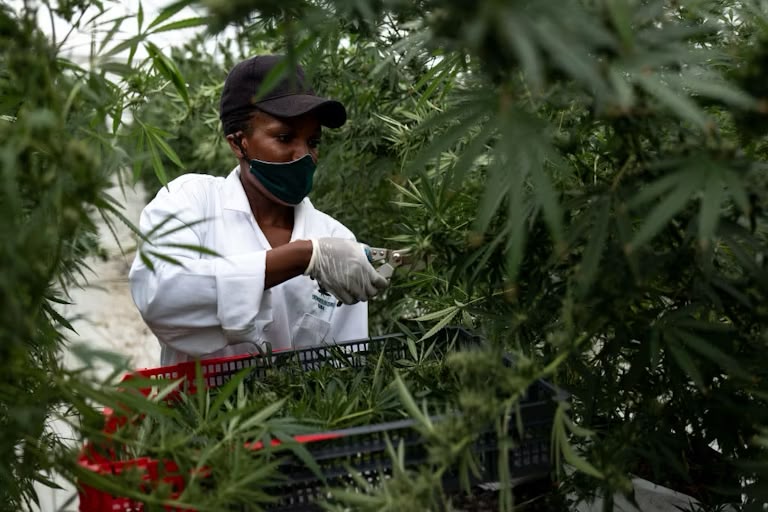
Harvest is done by hand at maturity, block by block, into clean crates that move straight into the drying facility. Timing is decided in the field, by people who have watched the plants all season.
06
Drying and curing
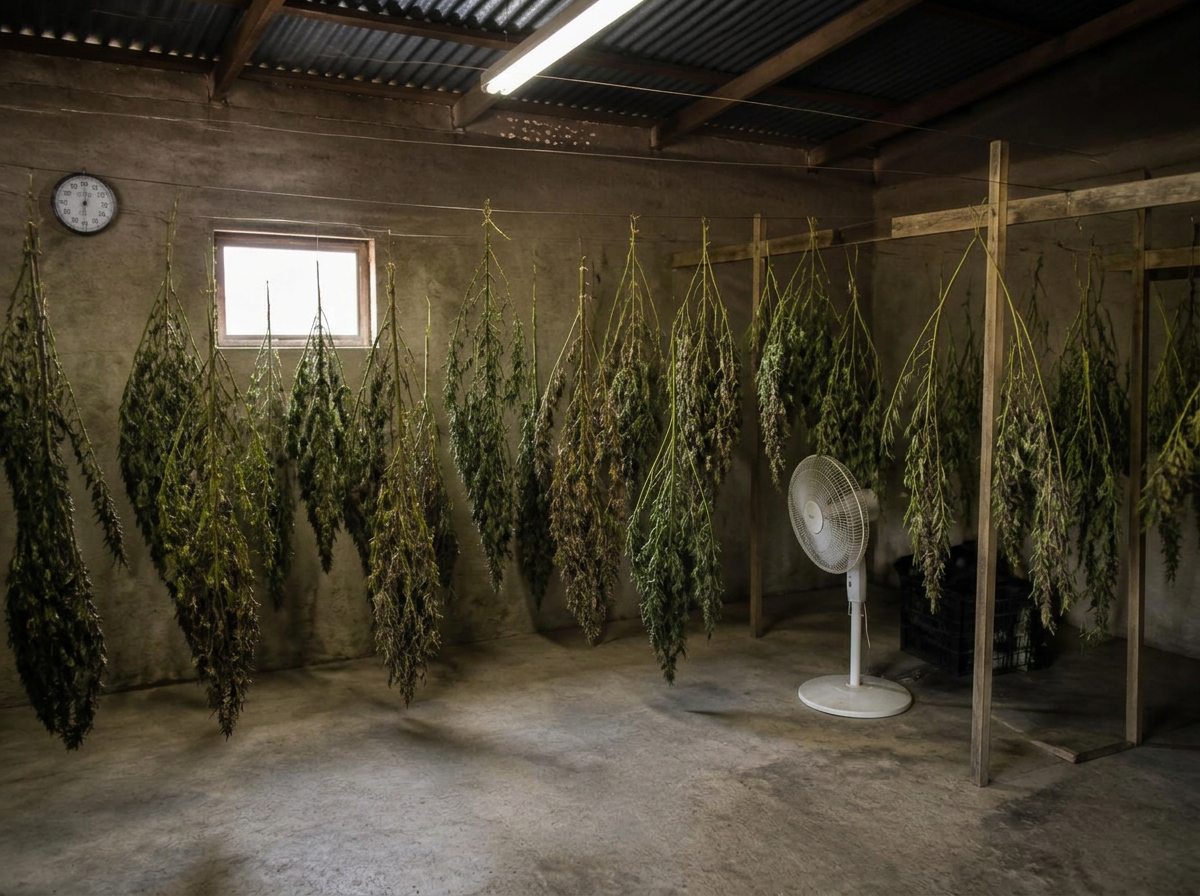
Slow drying in a ventilated, temperature and humidity managed facility, followed by a proper cure. This is the stage most often rushed, and the stage that most affects what a buyer receives.
07
Storage, packing and dispatch
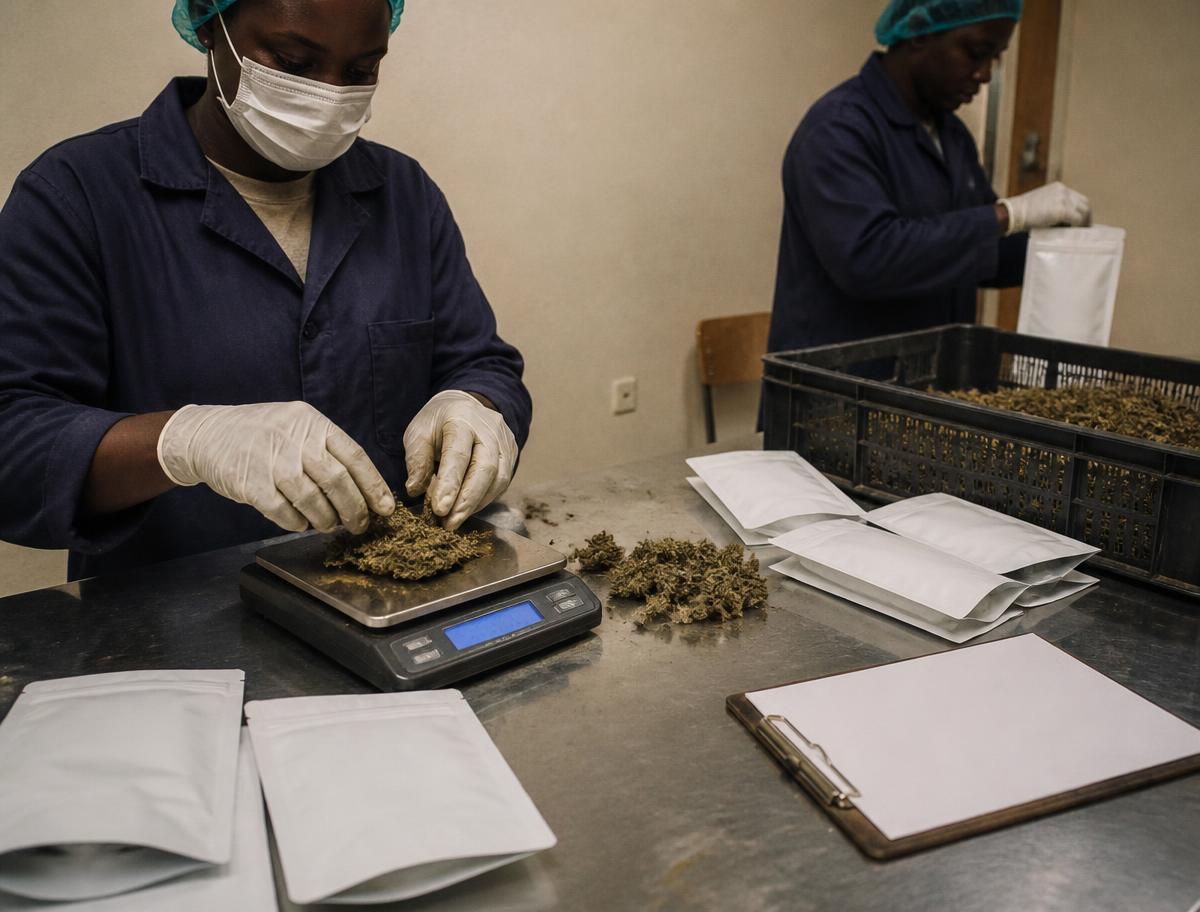
Cured material is packed and held in a secured, access-controlled store under monitored conditions, then prepared for consignment with the documentation the destination market requires.
Our standards
What we hold ourselves to
We reference recognised international standards as the direction we are farming towards. We do not claim certifications we have not been granted.
Compliance
Operating within the conditions of our Malawian licences and CRA oversight.
Traceability
Batch records from propagation block through to dispatch.
Security
Access-controlled site, storage and movement of material.
Responsible cultivation
Conservative inputs, recorded interventions, healthy soil.
Quality assurance
Independent third-party testing of harvested batches.
Sustainability
Measured water use, composted green waste, careful land management.
Ethical employment
Fair terms, safe work and training for local staff.
Good Agricultural Practices
GACP principles applied to cultivation and post-harvest handling.
Export readiness
Documentation and permits prepared for licensed destination markets.